
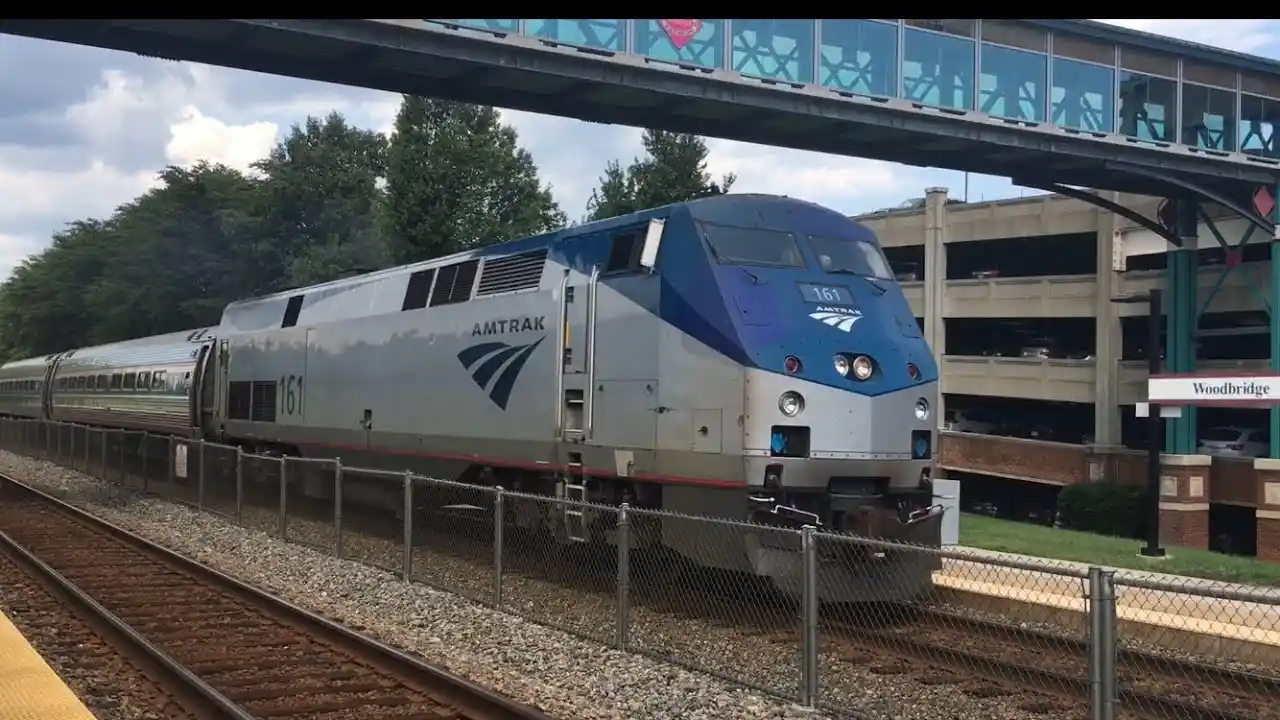
Amtrak stations in Virginia are arranged along a primary corridor that runs from the Washington D.C. metro area down to southern Virginia and the Hampton Roads region. Instead of spreading across the state evenly, stations follow population density and transportation demand.
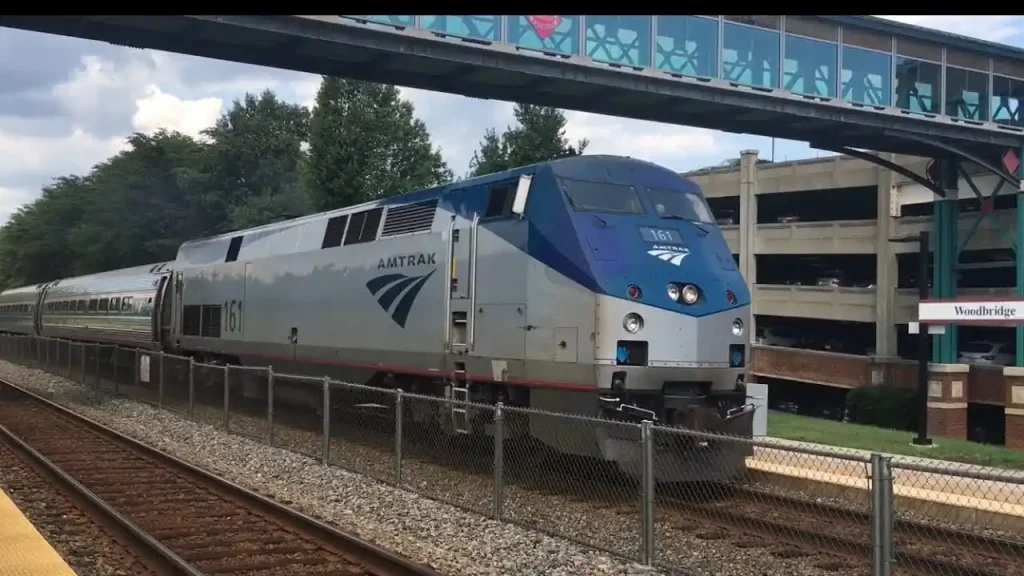
This structure allows frequent service on busy routes while maintaining essential connectivity for smaller towns.
Major Amtrak Stations in Virginia
Alexandria Station (ALX)
Amtrak Alexandria Station sits close to Washington, D.C., which makes it one of the busiest commuter-heavy stops in the state. Rail demand is high here because it connects directly to the Northeast Corridor.
Its importance comes from its dual role. On one side, it serves daily commuters traveling into D.C. On the other, it supports long-distance passengers heading toward New York and Boston.
The station’s location near Old Town Alexandria also adds tourism-related travel throughout the year.
Fredericksburg Station (FBG)
Fredericksburg Amtrak Station operates as a key midpoint between Richmond and Washington D.C. Its usage is largely driven by Interstate 95 congestion, which pushes commuters toward rail travel.
Because of this location advantage, the station experiences steady daily ridership. It also connects with regional transit services, which improves access to nearby residential areas.
Richmond Staples Mill Road Station (RVR)
Amtrak Richmond Staples Mill Road Station handles the highest passenger volume in Virginia. Its placement on the main Northeast Corridor explains why most long-distance trains pass through here.
Highway connectivity and large parking capacity also contribute to its role as the primary rail hub for central Virginia. As a result, it functions as the main interchange point for both regional and intercity passengers.
Richmond Main Street Station (RVM)
Amtrak Unlike Staples Mill Road, Richmond Main Street Station carries a more historic and downtown-focused role. Rail service here was restored to support urban access and redevelopment.
Passenger flow is moderate but consistent, especially for travelers heading directly into downtown Richmond. The station also reflects the city’s historical rail infrastructure, which remains preserved alongside modern operations.
Quantico Station (QAN)
Amtrak Quantico Station serves a specialized commuter base linked to the Marine Corps Base. Passenger demand here follows predictable daily patterns rather than tourism or random travel.
This consistency allows trains to maintain reliable stop scheduling without major operational variation.
Alexandria Station – Additional Role in the Corridor System
Alexandria also functions as a transfer point between regional commuter systems and Amtrak services. This overlap increases passenger density compared to typical suburban stations.
Because of this structure, scheduling is designed to accommodate both short-distance and long-distance rail users.
Newport News Station (NPN)
Amtrak Newport News Station serves the Hampton Roads region and provides direct rail access to northern cities. Its importance comes from the limited highway alternatives in peak traffic conditions.
Military, industrial, and tourism-related travel all contribute to steady demand throughout the year.
Norfolk Station (NFK)
Amtrak Norfolk Station operates as the southern terminus of the Virginia rail extension. It connects coastal Virginia directly to the Northeast Corridor.
Rail demand here is influenced by port activity, tourism, and business travel. The station layout supports long-distance boarding, especially for passengers traveling toward Washington D.C. and beyond.
Charlottesville Station (CVS)
Amtrak Charlottesville Station serves central Virginia and benefits from university-based travel demand. The University of Virginia plays a major role in passenger volume, especially during academic sessions.
In addition, the mountainous terrain surrounding the highway limits its efficiency, making rail a practical alternative for regional travel.
Lynchburg Station (LYH)
Amtrak Lynchburg Station extends rail connectivity into western Virginia. Its role became more significant after service expansion linked it to the Northeast Corridor.
Passenger movement here is lower than in urban hubs, but rail remains important due to limited transportation alternatives in the region.
Petersburg Station (PTB)
Amtrak Petersburg Station operates as a smaller stop along the Richmond corridor. Its function is mainly regional access rather than high-volume transit.
However, its position on the main line ensures regular service without requiring route deviation.
Route Structure Behind Amtrak Stations in Virginia
The Virginia rail network follows a linear corridor rather than a branching system. Most stations are positioned along the Northeast Regional route, which connects southern Virginia to Washington D.C. and continues toward major northern cities.
This structure exists because population density is concentrated along the I-95 corridor. As a result, rail infrastructure mirrors highway and urban development patterns.
Some stations handle high commuter demand, while others focus on long-distance intercity travel. This balance allows the system to serve both daily transportation needs and national connectivity.
Why the Virginia Rail Network Is Important
Rail service in Virginia remains relevant due to several structural factors:
- Heavy congestion on Interstate 95
- High commuter movement toward Washington D.C.
- Strong connection to the Northeast Corridor
- Economic and military travel demand in key regions
Because of these factors, rail operates as an alternative to road transport while also supporting long-distance travel efficiency.
Conclusion
Amtrak stations in Virginia form a corridor-based network designed around population density and travel demand. Major hubs like Richmond, Staples Mill Road and Alexandria handle high passenger flow, while smaller stations ensure regional access across the state.
This structure allows rail service to remain both practical and efficient, supporting commuter movement and long-distance travel within one of the busiest transportation regions in the United States.
