
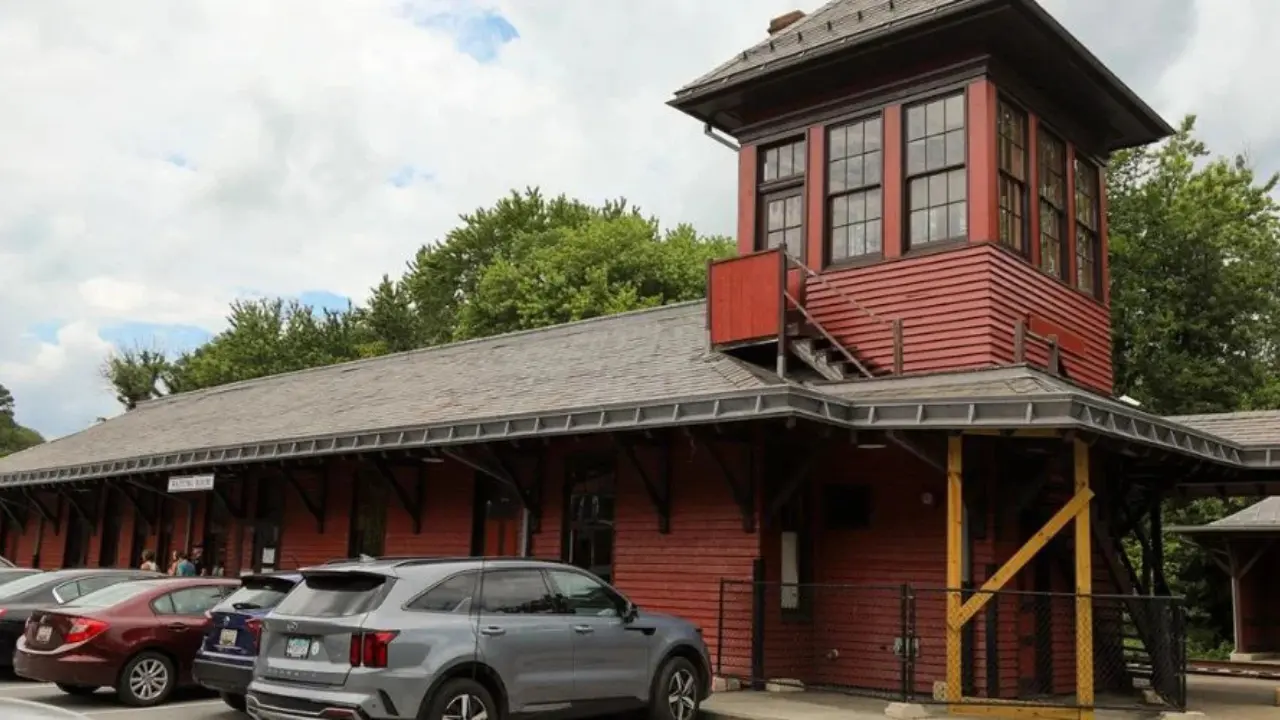
The Amtrak Train Station Harpers Ferry functions as a key link between historical Harpers Ferry and major urban centers. Its location at the meeting point of the Potomac and Shenandoah rivers contributes both strategic and aesthetic value. The station facilitates access along the Capitol Limited line while simultaneously connecting travelers to the town’s historic district and natural surroundings. This dual role reflects the town’s long-standing connection to transportation and trade.
Harpers Ferry Train Station Location, Access, and Contact Info
The station sits in the lower town area, adjacent to the historic district. Its placement near the rivers’ confluence historically guided settlement patterns and transportation routes. Rail lines were constructed along this corridor to connect industrial towns and cities across the region.
Key Location Features:
- Walking distance to Harpers Ferry National Historical Park
- Close to Potomac River and Shenandoah River
- Nearby trails, including the Appalachian Trail
Accessibility by car is limited but sufficient for a small-town station. The proximity of major highways and pedestrian-friendly streets ensures integration with the town’s local circulation system.
| Station: | Harpers Ferry Station |
| Station Code: | HFY |
| Contact Number: | +1 800-872-7245 |
| Email: | etickets@amtrak.com |
| Lost and Found: | +1 800-872-7245 / +1 833-391-0338 |
| Police: | +1-800-331-0008 |
| Working Hours: | 06:30 A.M. to 10:00 P.M |
| Nearby Airport: | Hagerstown Regional Airport |
| Website: | https://www.amtrak.com/ |
| Instagram: | https://www.instagram.com/amtrak |
| X (Twitter): | https://x.com/amtrak |
| Youtube: | https://www.youtube.com/amtrak |
| Facebook: | https://www.facebook.com/Amtrak/ |
| Pinterest: | https://www.pinterest.com/amtraktravels/ |
Harpers Ferry Amtrak Station Layout Map
With the help of a map of HFY Station, Amtrak passengers can navigate it easily. It shows the precise location of the main platform, entrances, exits, etc. Also, it helps them find their way inside the station.
List of all Amtrak Stations.
Station Facilities
The Amtrak Train Station Harpers Ferry is a small, unstaffed facility. Its design prioritizes practicality over luxury, reflecting the limited daily passenger volume.
Available Facilities:
- Covered waiting area for protection from rain or snow
- Basic seating arrangements
- Informational signage for train schedules
Not Available:
- Ticket counters or on-site purchase options
- Restrooms or baggage handling
- Food or retail services
The absence of these amenities results from both low passenger demand and the station’s historical preservation goals. Most passengers rely on online ticketing or mobile apps to plan travel, reducing the need for staffed services.
Train Services
The station is primarily served by Amtrak’s Capitol Limited line, which runs between Washington, D.C. and Chicago. Trains pass through major cities such as Pittsburgh and Cleveland. Service occurs once daily in each direction, reflecting regional demand rather than metropolitan volume.
Additionally, weekday MARC commuter trains provide connections to Washington, D.C., supporting daily travel patterns. The combination of long-distance and regional services highlights the station’s role as both a commuter hub and part of a cross-country route.
Historical Context
Harpers Ferry has played a central role in U.S. history, and the train station is embedded within this narrative. Railroads facilitated industrial development in the 19th century, enabling mills, factories, and trade to flourish. The town also became nationally significant during John Brown’s Raid.
The station preserves this historical continuity, serving modern travelers while maintaining the character of a town shaped by railroads. Its continued operation reflects the intersection of heritage preservation and functional transportation.
Scenic and Natural Surroundings
The station’s location offers exceptional views, where the rivers converge against the backdrop of the Blue Ridge Mountains. Seasonal changes enhance the landscape: spring brings vibrant greenery, summer produces dense foliage, fall introduces colorful leaves, and winter presents stark, quiet scenery.
Trails such as the Appalachian Trail pass nearby, demonstrating how rail access supports recreational activity. The combination of mountains, rivers, and trails creates a setting that attracts photographers, hikers, and history enthusiasts alike.
Nearby Attractions
The station functions as an access point to multiple historical and outdoor sites.
Key Sites:
- John Brown’s Fort, the location of the 1859 raid
- Harpers Ferry National Historical Park
- Historic Lower Town streets featuring preserved 19th-century architecture
Outdoor Activities:
- Hiking and river trails
- Kayaking and rafting on the Potomac and Shenandoah rivers
- Photography and landscape observation
The station’s proximity to these sites explains its continued relevance despite limited facilities.
Seasonal Considerations
Each season alters the experience around the station:
- Spring: Blooming flora enhances the natural scenery and attracts hikers.
- Summer: Warm weather encourages outdoor recreation along trails and rivers.
- Fall: Colorful foliage transforms the surroundings, drawing photographers and visitors.
- Winter: Snow and ice create a quiet, contemplative atmosphere but may require cautious travel.
Seasonal variations influence not only sightseeing but also the timing and planning of train travel.
Practical Considerations
The station’s small size and limited services necessitate preparation:
- Advance ticket purchase is essential due to the absence of on-site counters.
- Arrival time should account for platform location and potential crowding during peak seasons.
- Travelers often bring personal essentials such as water, snacks, and appropriate clothing.
Planning ensures the station functions effectively as both a transport node and a gateway to Harpers Ferry.
The Amtrak Train Station Harpers Ferry combines transportation functionality with historical and natural significance. Its location at the confluence of two rivers and proximity to historic sites explain why it continues to serve long-distance and regional passengers. The station demonstrates how small, unstaffed facilities can maintain operational relevance while supporting tourism, recreation, and heritage preservation.
Its simplicity, scenic surroundings, and connectivity illustrate the broader role of small-town train stations in linking communities to regional and national rail networks.
FAQs
The station is served by Amtrak’s Capitol Limited and weekday MARC commuter trains. These routes connect Washington, D.C., to Chicago and nearby commuter destinations.
No, the station is unstaffed, so tickets must be purchased online or via the Amtrak app.
Limited parking exists near the station, mostly along nearby streets and small lots.
Nearby attractions include Harpers Ferry National Historical Park, John Brown’s Fort, and hiking trails on the Appalachian Trail.
The station has no food, retail, or restroom facilities, so travelers should bring essentials before arrival.