
Philadelphia serves as a major hub in the national rail network. The Amtrak stations in Philadelphia PA provide both long-distance and regional connectivity, linking the city to destinations along the Northeast Corridor, including New York, Washington D.C., and Boston, as well as westward to Pittsburgh. The location and capacity of these stations influence travel patterns, operational efficiency, and access to the city’s surrounding neighborhoods.
Key Amtrak Stations in Philadelphia
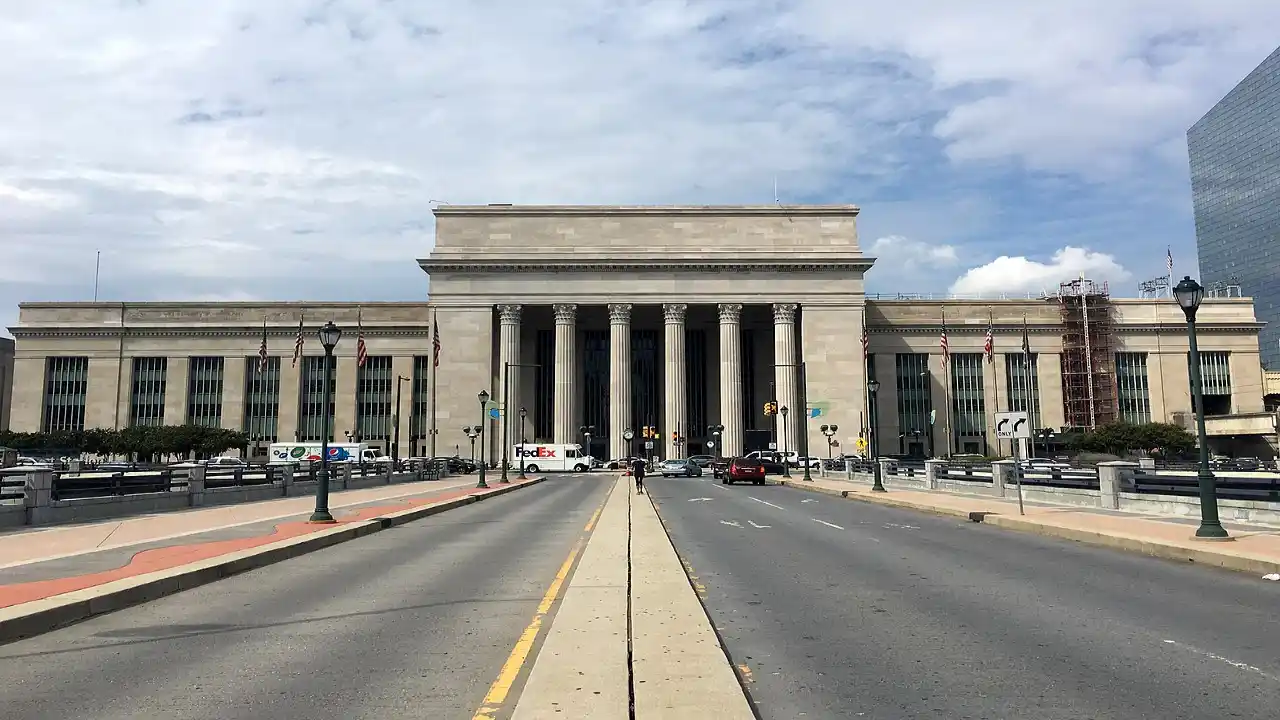
William H. Gray III, 30th Street Station
- Location: 2955 Market Street, Philadelphia, PA
- Overview: This station is the largest and busiest of the Amtrak stations in Philadelphia. Nearly all long-distance and regional Amtrak trains pass through this hub. Its central location near University City allows seamless connections to highways and local transit systems.
- Services: Acela Express, Northeast Regional, Keystone Service, Pennsylvanian, Carolinian, Crescent, Silver Meteor, Silver Star.
- Facilities: Ticket counters, waiting areas, baggage handling, parking, and connections to SEPTA Regional Rail and buses support high passenger volumes.
- Significance: The station’s strategic placement reduces congestion, allows smooth transfers, and supports Philadelphia’s role as a Northeast transportation hub.
North Philadelphia Station
- Location: 2900 North Broad Street, Philadelphia, PA
- Overview: North Philadelphia Station is smaller but serves the Keystone Service, connecting Philadelphia with Harrisburg. It provides a convenient option for regional travelers outside the downtown core.
- Facilities: Platforms and basic waiting areas are available. The historic depot building is preserved as a landmark but is no longer fully functional for passenger services.
- Significance: By serving regional commuters, this station complements the larger 30th Street Station, balancing passenger flow across the city.
Route Structure of Amtrak Stations in Philadelphia PA
The Amtrak stations in Philadelphia PA operate within a network structured to balance urban demand and regional connectivity:
- Northeast Corridor (NEC): Provides frequent, high-speed service connecting Philadelphia to New York, Washington D.C., and Boston.
- Keystone Service: Runs between Philadelphia and Harrisburg, ensuring access to central Pennsylvania.
- Long-Distance Trains: Routes such as the Pennsylvanian, Crescent, and Silver Meteor/Silver Star connect Philadelphia to Pittsburgh, New Orleans, and Florida.
The two stations work together to handle both high-volume long-distance trains and regional commuter services efficiently.
Amtrak Stations in Philadelphia – Map
- 30th Street Station: The main hub near University City, integrated with SEPTA and major highways.
- North Philadelphia Station: Serves northern neighborhoods and regional routes, reducing demand on the central station.
Observations
- The placement of Amtrak stations in Philadelphia reflects a balance between centralized capacity and regional accessibility.
- 30th Street Station handles the majority of passengers, while North Philadelphia Station supports local and regional commuters.
- Integration with local transit reduces transfer times and enhances overall network efficiency.
FAQs
The primary hub is William H. Gray III 30th Street Station. It is the largest and busiest station in the city, serving nearly all Amtrak routes, including high-speed and long-distance trains.
Philadelphia is served by major routes such as Acela Express, Northeast Regional, Keystone Service, and long-distance trains like the Pennsylvanian, Crescent, Silver Meteor, and Silver Star, connecting the city to destinations across the Northeast and beyond.
North Philadelphia Station primarily supports regional travel, especially the Keystone Service to Harrisburg. It helps reduce congestion at 30th Street Station by serving northern neighborhoods.
30th Street Station offers direct connections to SEPTA Regional Rail, buses, and nearby highways, making it easy for passengers to transfer between intercity and local transportation systems.
Having more than one station improves efficiency by distributing passenger traffic. While 30th Street Station handles high-volume and long-distance travel, North Philadelphia Station provides convenient regional access and reduces strain on the main hub.