
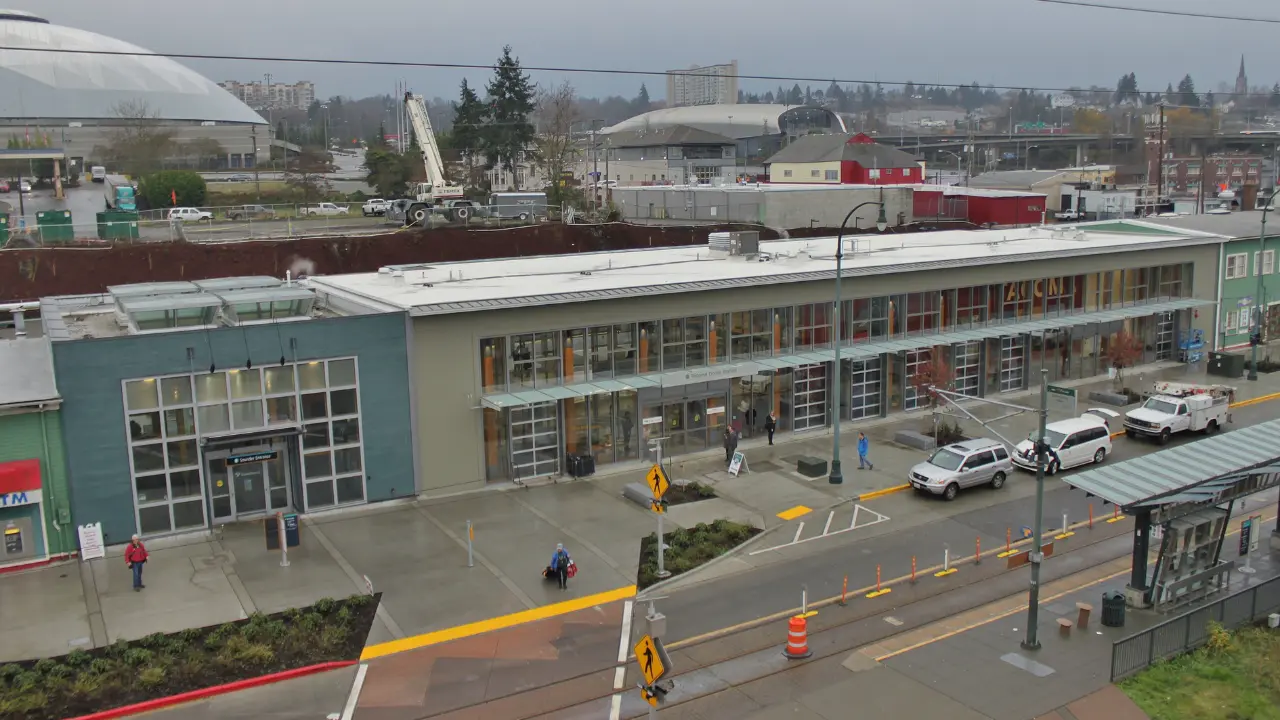
Tacoma Dome Station serves as a key multi-modal transportation hub in Tacoma. Its location near downtown Tacoma allows efficient connections between regional and local transit systems. The station accommodates both short-distance commuter travel and long-distance rail routes, making it integral to the mobility infrastructure of the Pacific Northwest.
Tacoma Dome Station connects passengers to cities such as Seattle, Portland, and Vancouver, Canada, facilitating economic, social, and cultural exchanges across the region.
Contact Details for Tacoma Dome Amtrak Station
Before planning a journey with Amtrak through Tacoma Dome Station, passengers should ensure they have the station’s contact information. These details are essential for checking train schedules, booking tickets, or resolving any queries. Having this information in advance makes your visit to the station smoother and more convenient.
| Station: | Tacoma Dome Station |
| Station Code: | TAC |
| Contact Number: | +1 800-872-7245 |
| Email: | etickets@amtrak.com |
| Lost and Found: | +1 800-872-7245 / +1 833-391-0338 |
| Police: | +1-800-331-0008 |
| Working Hours: | 06:30 A.M. to 10:00 P.M |
| Nearby Airport: | Seattle–Tacoma International Airport (SEA) |
| Website: | https://www.amtrak.com/ |
| Instagram: | https://www.instagram.com/amtrak |
| X (Twitter): | https://x.com/amtrak |
| Youtube: | https://www.youtube.com/amtrak |
| Facebook: | https://www.facebook.com/Amtrak/ |
| Pinterest: | https://www.pinterest.com/amtraktravels/ |
Tacoma Dome Amtrak Station Layout Map
With the help of a map of TAC Station, Amtrak passengers can navigate it easily. It shows the precise location of the main platform, entrances, exits, etc. Also, it helps them find their way inside the station.
Services Provided at Tacoma Dome Station
The station primarily serves the Amtrak Cascades, which links urban centers along the I-5 corridor. Amtrak Cascades trains stop at Tacoma Dome Station due to its strategic position between Seattle and Portland, allowing for efficient scheduling and passenger distribution.
Major Routes
- Seattle: approximately 45 minutes; chosen for frequent business and commuter travel.
- Portland: approximately 2.5 hours; the station supports connections to longer regional journeys.
- Eugene, OR, and Vancouver, BC: extend connectivity beyond immediate regional centers.
The design of the station supports the safe handling of passengers and luggage while maintaining accessibility standards. Amenities such as onboard Wi-Fi and café services enhance travel comfort, while the station’s layout allows smooth transitions between train and other modes of transportation.
Facilities and Passenger Services at Tacoma Dome Station
Tacoma Dome Station provides essential services to maintain operational efficiency and passenger convenience.
Passenger Facilities
- Indoor waiting areas reduce exposure to weather and offer seating.
- Ticketing counters and automated kiosks facilitate timely boarding.
- Accessible restrooms comply with ADA standards, ensuring inclusivity.
Accessibility features, including ramps, elevators, and designated boarding zones, support travelers with reduced mobility. These design choices reflect planning aimed at minimizing congestion and delays during peak hours.
Transportation Connectivity at Tacoma Dome Station
The station integrates with several modes of transportation, creating a hub that promotes regional mobility.
Connections
- Sound Transit buses provide local and regional links.
- Sounder Train serves commuters traveling to Seattle and Tacoma’s surrounding suburbs.
- Tacoma Link light rail connects the station to downtown districts efficiently.
This connectivity reduces reliance on private vehicles, mitigates traffic congestion, and facilitates sustainable urban mobility. Multi-modal integration ensures seamless transfers between transit systems, which is critical for time-sensitive commuting and regional travel.
Parking and Accessibility
Tacoma Dome Station supports travelers who drive to the station by offering structured parking facilities.
Parking Features
- Short-term and long-term parking accommodates different travel durations.
- Clearly marked zones and signage optimize flow and reduce search time for spaces.
- Proximity to the station ensures convenient access for travelers with luggage.
Elevators, ramps, and accessible pathways maintain mobility for all passengers, enhancing efficiency and minimizing delays.
Nearby Attractions and Civic Integration
The station’s location contributes to its role as a community node. Adjacent areas offer cultural, recreational, and commercial activities that complement the transit function.
Notable Nearby Sites
- Tacoma Dome: hosts large-scale events that attract regional visitors.
- Downtown Tacoma museums and cultural centers encourage short stops for educational or leisure purposes.
- Cafés, restaurants, and retail outlets provide necessary amenities for waiting passengers.
Proximity to these attractions supports local economic activity while allowing travelers to engage with the city’s cultural landscape before or after transit.
Operational and Travel Considerations
Efficient use of Tacoma Dome Station requires understanding its operational dynamics.
Travel Planning
- Advance ticketing ensures seat availability during peak travel periods.
- Awareness of train schedules and platform assignments reduces delays.
- Luggage storage and onboard procedures maintain comfort and safety.
The station’s layout, combined with clear signage and public announcements, reduces bottlenecks and improves overall passenger experience.
Strategic Importance of Tacoma Dome Station
Tacoma Dome Station serves more than a functional purpose; it strengthens regional connectivity. Its integration with multiple transit systems supports sustainable transportation practices while facilitating commuter, business, and tourism travel.
The station’s infrastructure allows flexible handling of varying passenger volumes, and its location encourages use of public transit over personal vehicles, which helps reduce environmental impact. In this sense, Tacoma Dome Station represents a model for urban transit hubs in mid-sized cities.
Tacoma Dome Station functions as a key transportation nexus in the Pacific Northwest. Its role extends beyond rail services to include connectivity with buses, commuter trains, and light rail, supporting efficient regional mobility. Accessibility features, integrated transit connections, and proximity to downtown attractions highlight the station’s multifaceted contribution to the city’s transport network.
FAQs
Tacoma Dome Station primarily serves Amtrak Cascades, connecting Tacoma with cities like Seattle, Portland, Eugene, and Vancouver. It also links with Sounder commuter trains for regional travel.
Yes, the station includes wheelchair-accessible platforms, elevators, ramps, and ADA-compliant restrooms, ensuring smooth access for all passengers.
Parking is available near the station, with options for short-term and long-term stays. Clear signage and designated zones improve convenience and accessibility.
Yes, the station connects to Sound Transit buses, Tacoma Link light rail, and the Sounder commuter train, enabling seamless transfers to downtown and surrounding areas.
The station is close to Tacoma Dome arena, downtown museums, restaurants, and cafés, offering opportunities for cultural and recreational stops before or after travel.